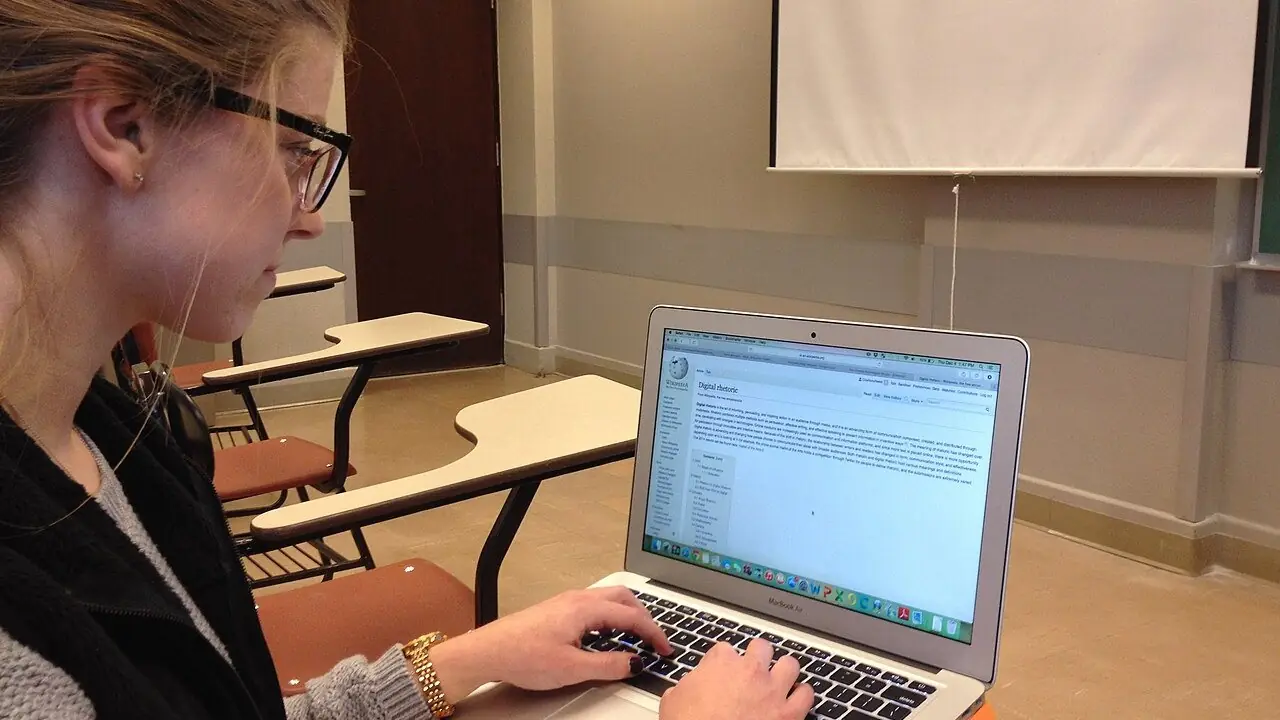
AI in schools: cheating, learning and teachers
Students use AI widely, detection tools are unreliable, and teachers are redesigning assignments so that thinking happens where it can be seen.
Sponsored placement
This space is available for an education-friendly sponsor. No advertiser is listed here yet, and nothing here is an endorsement.
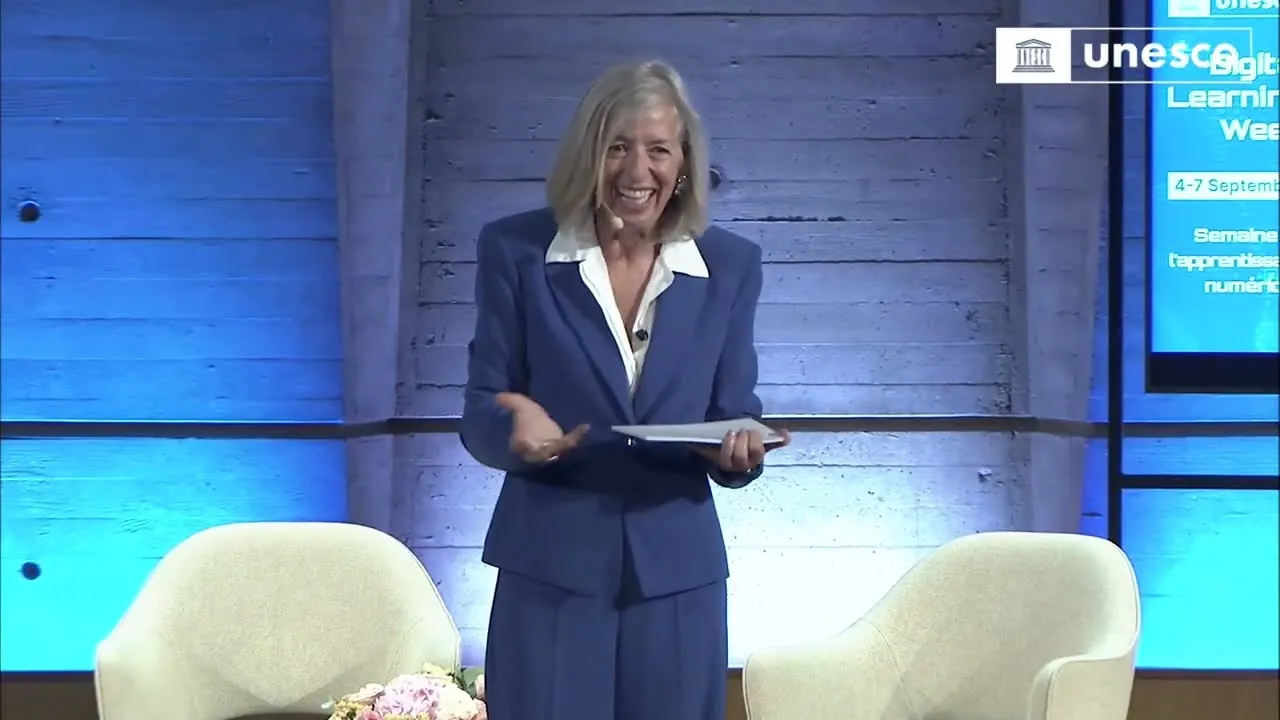
Generative AI arrived in classrooms faster than any policy could follow. Surveys in many countries show that a majority of secondary and university students have used chatbots for schoolwork, often for explanations and brainstorming, sometimes to write whole assignments. UNESCO published guidance on generative AI in education and research in 2023, recommending age limits, teacher training and a focus on human agency, and many ministries and universities have since issued their own rules.
Cheating is the first worry, and the hardest to solve with technology. AI-text detectors produce false positives, and studies have found they flag writing by non-native English speakers more often, which can lead to unfair accusations. Several universities have switched detectors off or told staff not to rely on them alone. Most schools have moved from banning AI toward defining when it is allowed, when it must be declared, and when it is forbidden.
Teachers are changing assessment in practical ways: more writing in class, oral explanations of submitted work, drafts and process notes, projects tied to local or personal material, and questions that ask students to critique an AI answer rather than produce one. Many teachers also use AI themselves to prepare exercises, differentiate materials for different levels and draft feedback, while keeping grading decisions for themselves.
Whether AI helps learning depends on how it is used. Early studies suggest that a tutor-style assistant that asks questions and gives hints can help, while simply getting answers can reduce practice and leave students weaker when the tool is gone. For parents, the most useful steps are simple: ask your child to explain what they learned, check the school's AI policy, and treat chatbots as a study partner that can be wrong, not as an authority.
How to weigh school AI rules
| Question | How to read it |
|---|---|
| Is there official guidance? | UNESCO issued guidance on generative AI in education and research in 2023. Use that, or your education authority’s rules, ahead of informal bans copied from social media. |
| Can AI-text detectors be the whole policy? | No. They give false positives and can be biased against non-native English writers (Liang et al., 2023). |
| What are schools moving toward instead of blanket bans? | Clear rules on permitted, declared and forbidden use, plus assessment that uses in-class work, oral checks and visible drafts. |
Sponsored placement
This space is available for an education-friendly sponsor. No advertiser is listed here yet, and nothing here is an endorsement.
What to remember
- UNESCO issued guidance on generative AI in education and research in 2023.
- AI-text detectors give false positives and can be biased against non-native English writers (Liang et al., 2023).
- Schools are shifting from bans to rules on permitted, declared and forbidden use.
- Assessment is moving toward in-class work, oral checks and visible drafts.
Sources
Figures in this article come from the public sources above and may have changed since. Follow the links for the latest numbers.