
Open AI models: what 'open' really allows
Models you can download and run yourself now come close to the commercial leaders on many tasks, and the licence attached to them decides what you are actually allowed to do.
Sponsored placement
This space is available for an education-friendly sponsor. No advertiser is listed here yet, and nothing here is an endorsement.
An open-weight model is one whose trained parameters, the weights, are published so anyone can download and run it on their own hardware. In 2026 the strongest of these, including releases from DeepSeek, Alibaba's Qwen team, Moonshot's Kimi, Zhipu's GLM and Mistral, are reported to trail the best closed models by months rather than years on common benchmarks. Analyses such as the Stanford AI Index have tracked this gap narrowing since 2024. For many routine jobs, a good open model is now enough.
Open weights are not the same as open source. Most releases do not include the training data or the full training code, so outsiders cannot rebuild the model or fully audit what it learned. The Open Source Initiative published a definition of open-source AI in 2024 that asks for much more than weights. In practice, open-weight means you can run, study and often adapt the model, but you are trusting the publisher about how it was made.
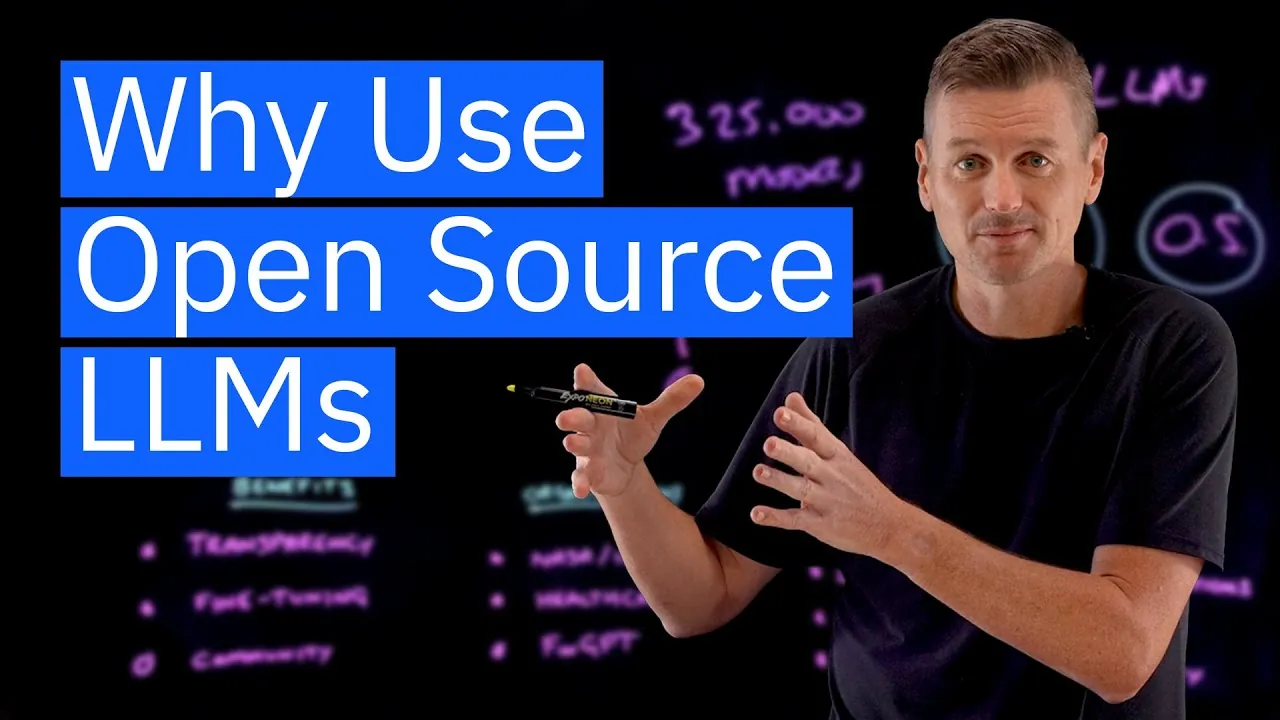
The licence is where the real differences lie. Some models use standard permissive licences such as Apache 2.0 or MIT, which allow commercial use with few conditions. Others use custom licences that restrict large companies, forbid certain uses, require attribution in the product name or limit using outputs to train rival models. Meta's Llama licences were a well-known example of such custom terms. Before building a product on an open model, read the licence file itself, not a summary on a download page.
Open weights bring real benefits: data can stay on your own machines, costs are predictable, and smaller models can run on a laptop or even in a browser. They also bring responsibilities. You handle security updates, safety filters and hosting yourself, and a model that runs well in English may be weaker in Arabic or French. For organisations with strict privacy needs, an open model run in-house is often the simplest way to keep sensitive text off third-party servers.
How to read an “open” model licence
| Question | How to read it |
|---|---|
| Do open weights mean the model is open source? | Not necessarily. Open weights means the parameters are downloadable. They usually come without the training data or full training code. |
| What should you read in the licence? | Whether it is a familiar permissive licence (for example Apache 2.0 or MIT) or custom terms with usage or size restrictions. The Open Source Initiative published its Open Source AI Definition in 2024 — use that if you need a definition, not a marketing label. |
| Does “open” mean weaker? | Not automatically. This article notes that the gap between top open and closed models has narrowed since 2024, per the Stanford AI Index and public leaderboards. Still check the licence before you ship. |
Sponsored placement
This space is available for an education-friendly sponsor. No advertiser is listed here yet, and nothing here is an endorsement.
What to remember
- Open weights = downloadable parameters; usually no training data or full training code.
- Licences range from permissive (Apache 2.0, MIT) to custom terms with usage and size restrictions.
- The Open Source Initiative published its Open Source AI Definition in 2024.
- The gap between top open and closed models has narrowed since 2024, per the Stanford AI Index and public leaderboards.
Sources
Figures in this article come from the public sources above and may have changed since. Follow the links for the latest numbers.