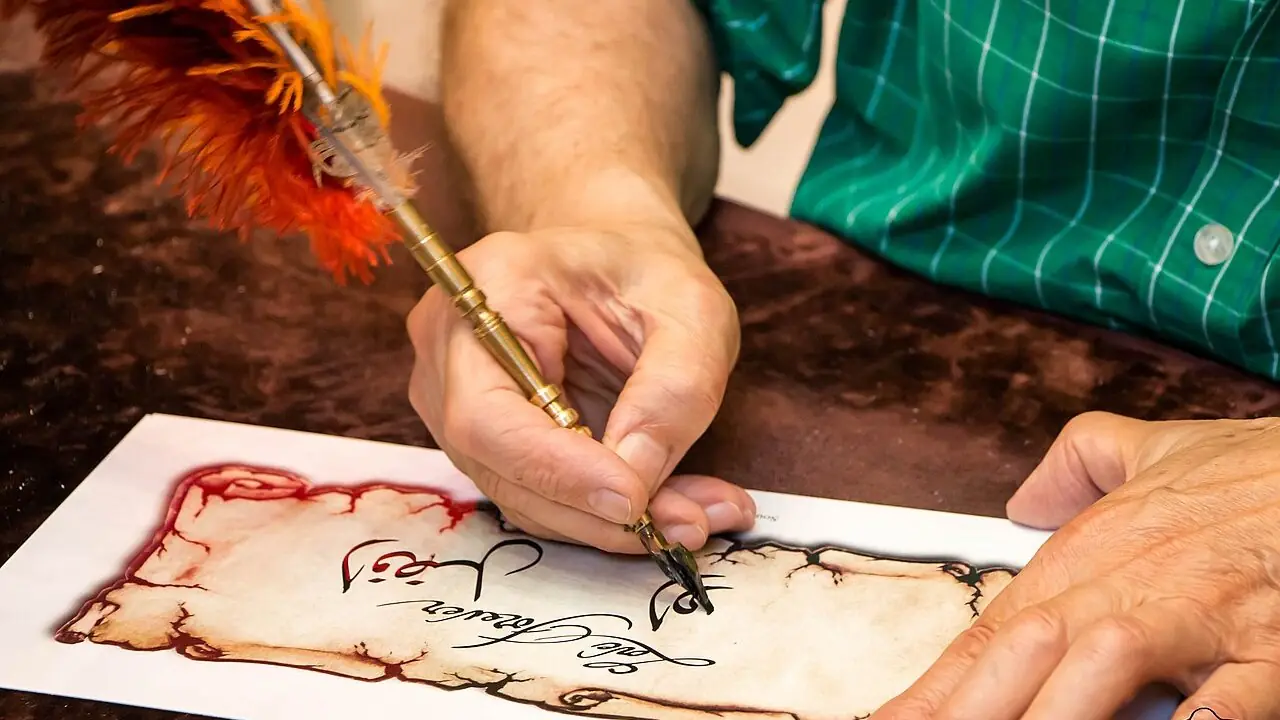
Arabic and French in the AI age
AI models learn from the web, and the web is mostly English; that leaves hundreds of millions of Arabic and French speakers with tools that work less well for them.
Sponsored placement
This space is available for an education-friendly sponsor. No advertiser is listed here yet, and nothing here is an endorsement.
Large language models learn from vast amounts of text, much of it collected from the public web. The web is not balanced. As reported by W3Techs in August 2026, about 49.5 percent of websites with a known content language are in English, around 4.5 percent in French and only about 0.6 percent in Arabic. Arabic is spoken by several hundred million people, and there are about 396 million French speakers, many of them in Africa, yet their languages are a small slice of the training material.
The result shows up in daily use. Models are generally strong in Modern Standard Arabic and standard French, but weaker in dialects such as Moroccan Darija, Egyptian or Gulf Arabic, and in African varieties of French. They may mix registers, mistranslate local terms, misunderstand culture-specific questions, or fall back to English-centred examples. Arabic script also tends to be split into more tokens, which can make the same text slower and more expensive to process.
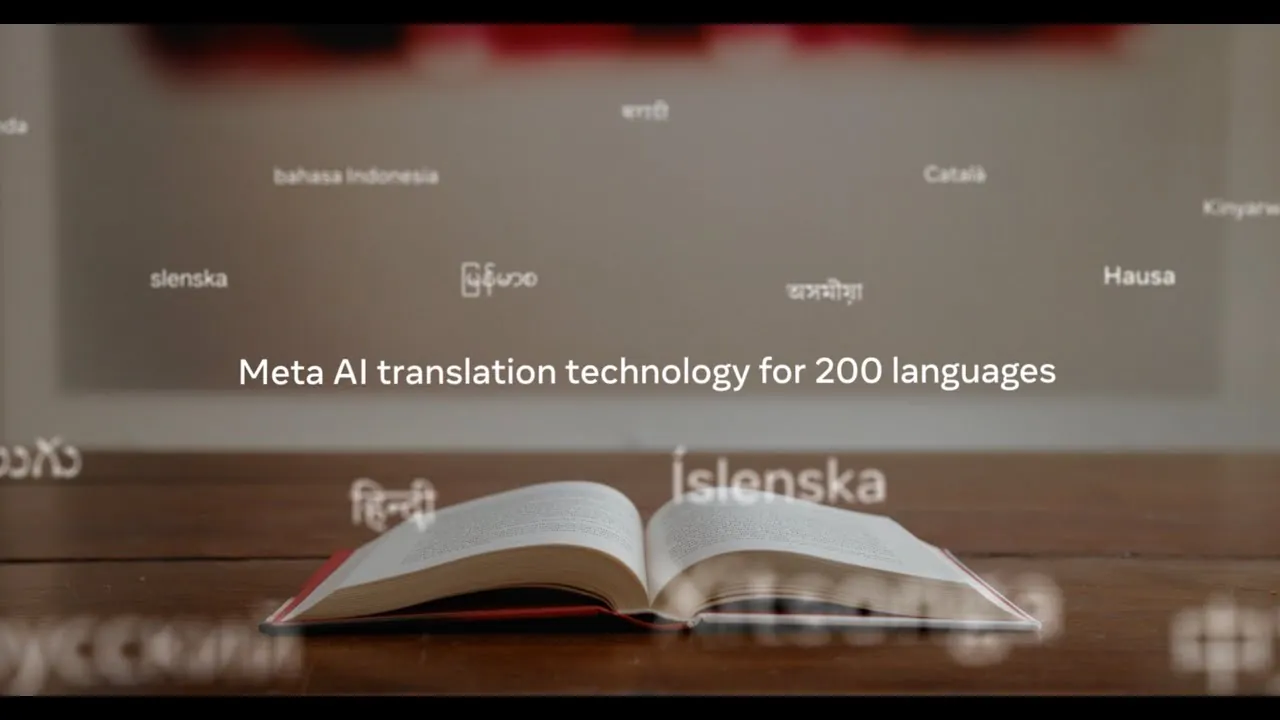
Things are changing. Regional efforts have built Arabic-focused models, such as Jais from the UAE and ALLaM from Saudi Arabia, and French and European labs, including Mistral, put more emphasis on European languages. Evaluation benchmarks for Arabic and its dialects are growing, and governments are investing heavily: the UAE has among the world's highest reported rates of generative AI adoption, and Saudi Arabia declared 2026 a Year of AI, as reported.
For users, a few habits help. Test the same task in your own language before trusting a tool, especially for legal, medical or official text. Ask for Modern Standard Arabic or standard French when accuracy matters, and check names, numbers and dates. For organisations, investing in good local-language content, glossaries and evaluation is not only a cultural choice: it directly improves the quality of the AI systems that will be trained or tested on it.
How to judge language quality claims
| Question | How to read it |
|---|---|
| How uneven is the public web, in the figures cited? | W3Techs (August 2026, as reported): English about 49.5%, French about 4.5%, Arabic about 0.6%. French has about 396 million speakers worldwide, roughly 65% of them in Africa (OIF estimates, as reported). |
| Is “Arabic support” one skill? | No. Models are weaker in dialects (for example Darija, Egyptian or Gulf Arabic) than in standard language. |
| Are there regional models to check? | Examples cited here include Jais (UAE) and ALLaM (Saudi Arabia). Always test on the variety you actually need, not only on a headline benchmark. |
Sponsored placement
This space is available for an education-friendly sponsor. No advertiser is listed here yet, and nothing here is an endorsement.
What to remember
- Web content share (W3Techs, Aug 2026, as reported): English ~49.5%, French ~4.5%, Arabic ~0.6%.
- About 396 million French speakers worldwide, roughly 65% in Africa (OIF estimates, as reported).
- Models are weaker in dialects (e.g. Darija, Egyptian, Gulf Arabic) than in standard language.
- Regional models include Jais (UAE) and ALLaM (Saudi Arabia).
Sources
Figures in this article come from the public sources above and may have changed since. Follow the links for the latest numbers.